
Compression Springs:
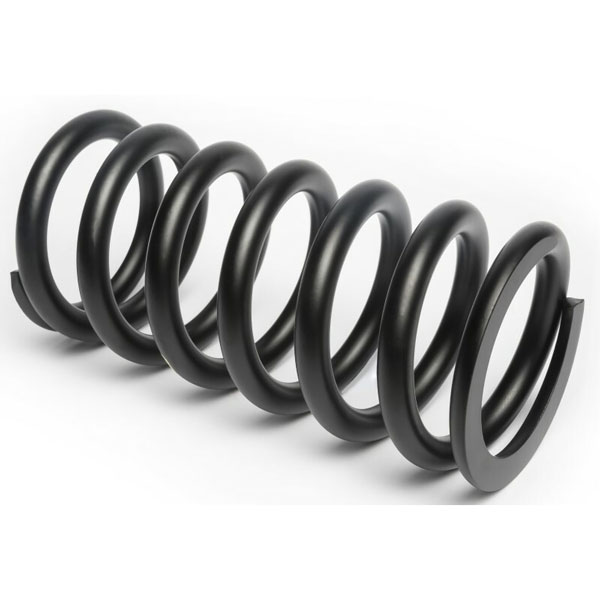
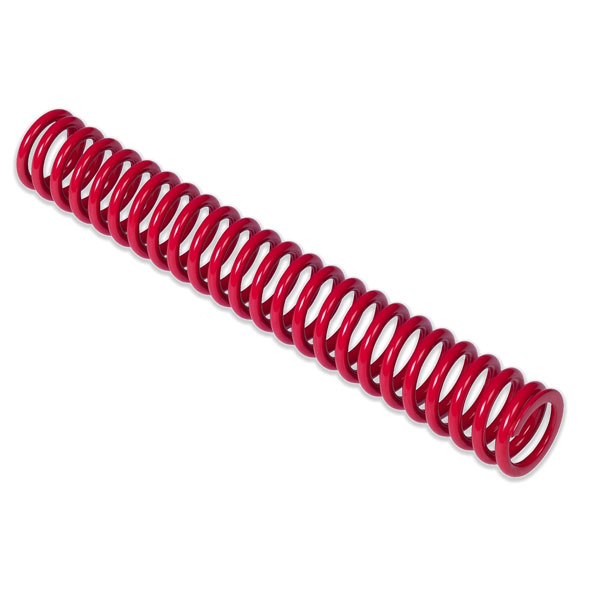
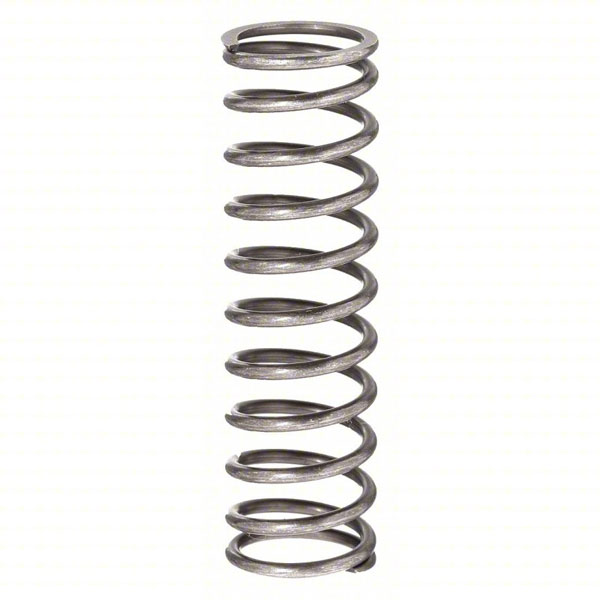
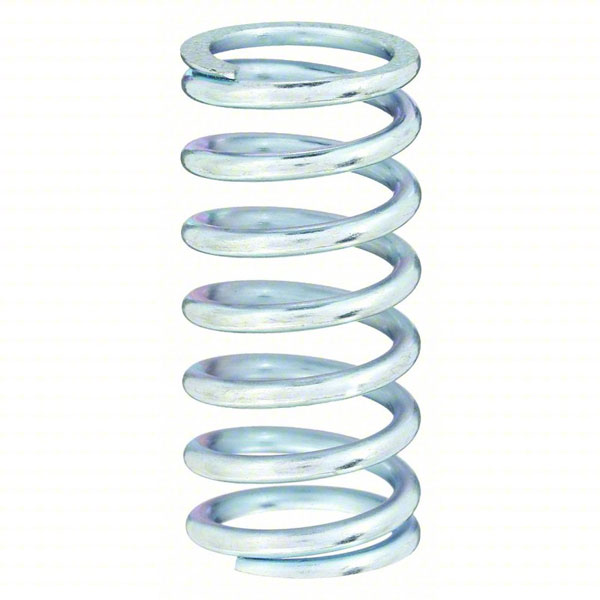
Compression springs, also known as coil springs, are mechanical components with an open-coiled helical design. These springs efficiently store and release energy when subjected to compressive forces. Their primary function is to absorb shock, maintain force equilibrium, and provide resilience in various mechanical systems.
How Do They Work?
When a compressive load is applied axially, these helical springs resist the force by compressing or squeezing. As the load is removed, the stored potential energy is transformed into kinetic energy, causing the spring to return to its original, uncompressed state.
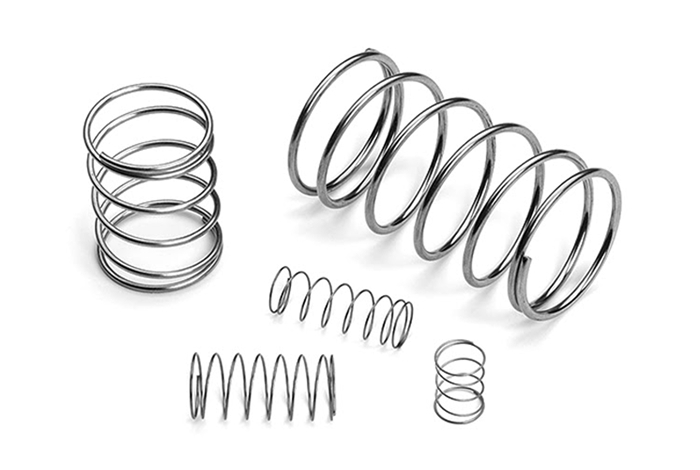
How Do They Work?
Compression springs find applications across diverse industries due to their versatility. Here are some common uses:
- Landing gear
- Flight controls
- Actuators
- Suspension systems
- Clutches
- Brakes
- Gear shifts
- Washing machines
- Refrigerators
- Presses
- Lathes
- Conveyor systems
- CNC machines
- Assembly machines
- Surgical instruments
- Dental tools
- Orthopaedic devices
- Valve and pump systems.
Types of Compression Springs:
Compression springs come in various shapes and sizes to meet specific requirements. Here are five common types:
- Outward bulging or dome shape
- Ideal for applications requiring high force
- Used in medical equipment, electrical switches, and precision instruments
- Narrow in the middle, widening towards the ends.
- Suitable for tight tolerance applications
- Helps limit variance in spring deflection.
- Cone-shaped design with gradually increasing diameter
- Efficient energy storage and compressive force application
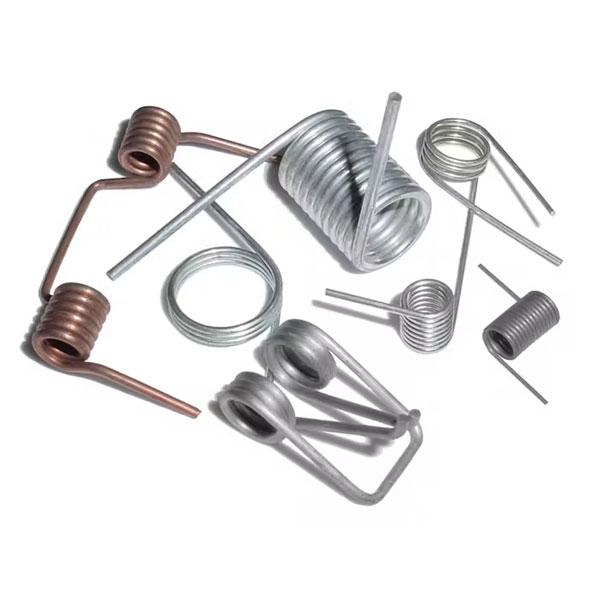
Torsion Springs:
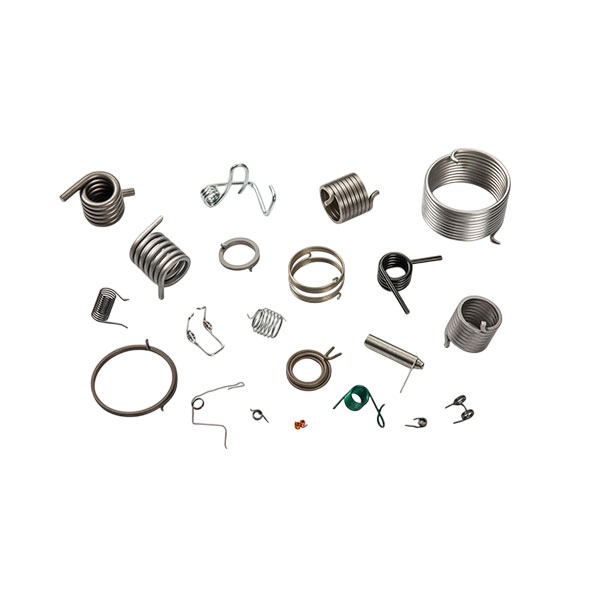
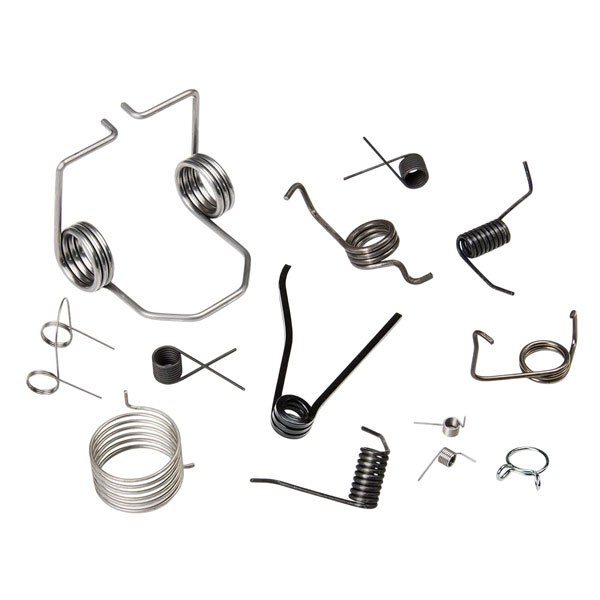
Torsion springs are mechanical springs designed to store and release rotational energy or torque when twisted around their axis. Despite their name, these springs primarily endure bending stress rather than pure torsional forces.
How Do They Work?
- Helical Design: Torsion springs consist of wire wound in a spiral shape.
- Twisting Action: When twisted, they exert torque in the opposite direction.
- Energy Storage: As the spring is twisted, it stores potential energy.
- Release Mechanism: Upon releasing the torque, the spring returns to its original position1
Applications Across Industries:
Torsion springs play a crucial role in various applications:
- Clothespins: These springs operate clothespins, ensuring a secure grip.
- Mousetraps: Traditional spring-loaded-bar mousetraps utilize torsion springs.
- Garage Doors: Large coiled torsion springs counterbalance the weight of garage doors.
- Trunk (Boot) Covers: Some sedans use torsion springs to assist in opening trunk covers.
Key Configurations:
Wind Direction:
- Torsion springs are wound either clockwise or counter-clockwise.
- Loads should be applied in the direction of the wind.
Leg Arrangement:
- Leg angle represents the circular difference of the spring ends when it has no potential energy (values range from 0° to 360°).
- Leg orientation determines the positioning of the legs relative to each other and the spring axis.
- Leg length affects the load needed to store energy in the spring.
- Leg style refers to the various methods of attaching legs to an object.
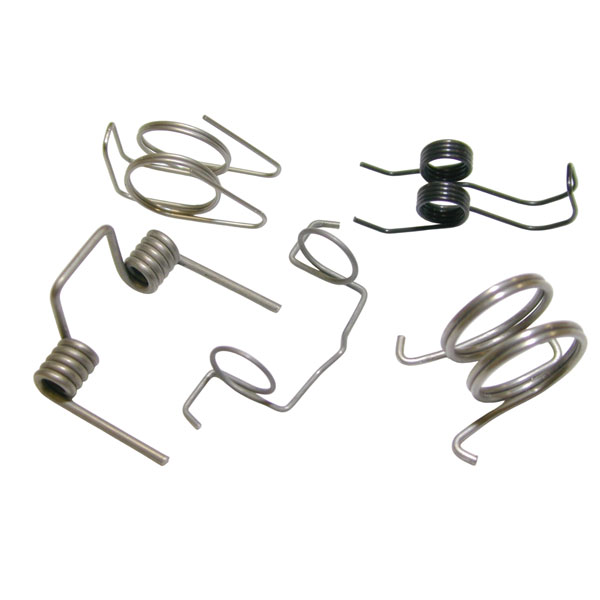
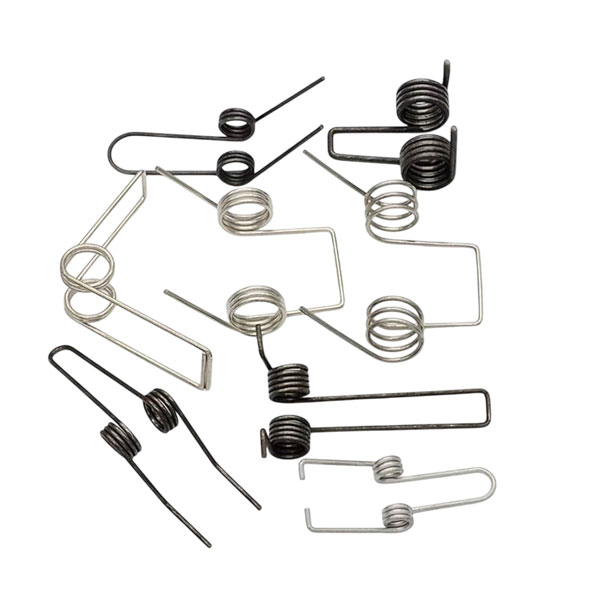
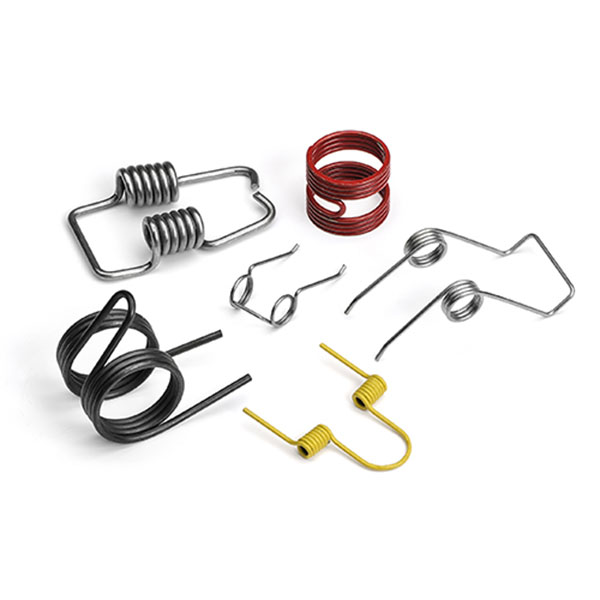
Double Torsion Springs:
- These consist of two torsion springs:
- One wound clockwise.
- One wound counter-clockwise.
- Each has an independent leg but is intermediated by an unwound section.
- The total torque available is the sum of both springs’ torques.
Specifications to Consider:
Dimensions:
- Inner Diameter: For slipping over a mandrel with sufficient clearance.
- Outer Diameter: For fitting into a circular hole with exterior clearance.
Materials:
- Common materials include music wire, hard drawn steel, stainless steel, and phosphor bronze.
Finishes:
- Choose appropriate finishes based on environmental conditions and corrosion resistance.
Extension Springs:
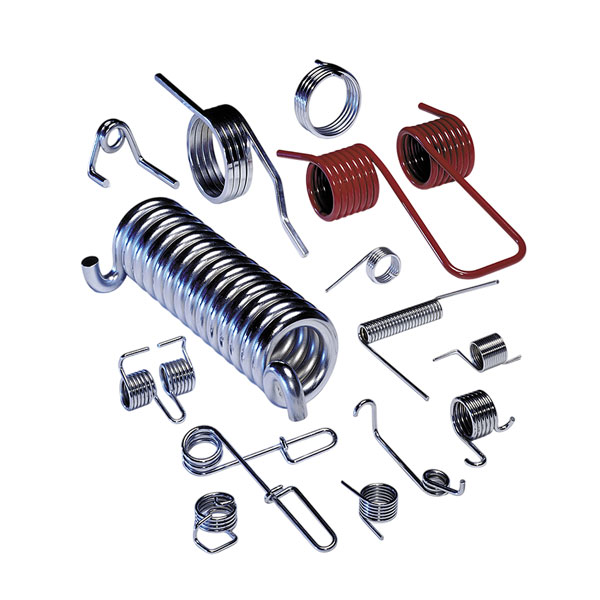
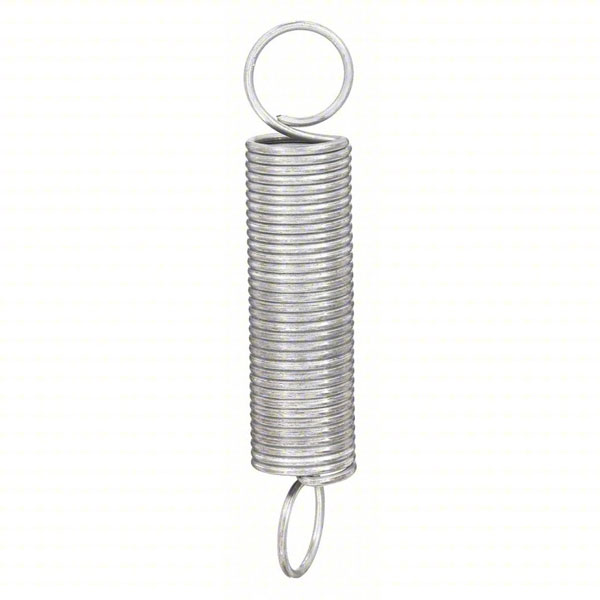
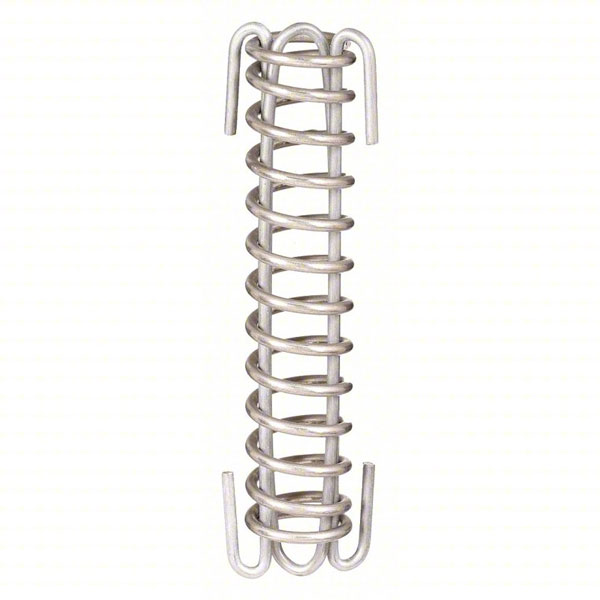
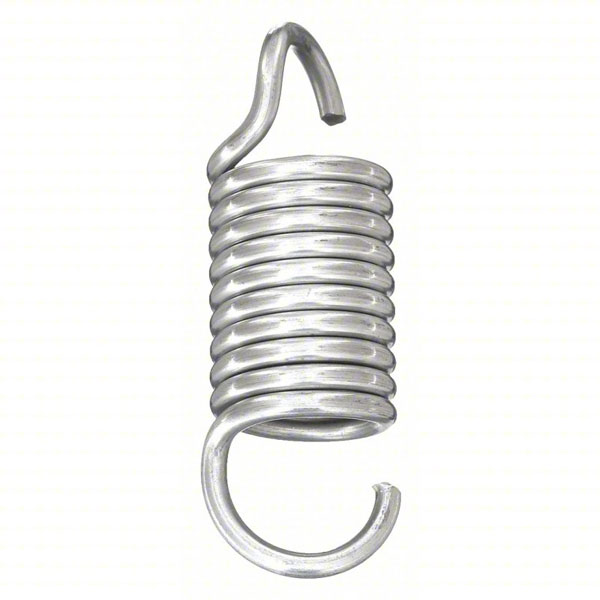
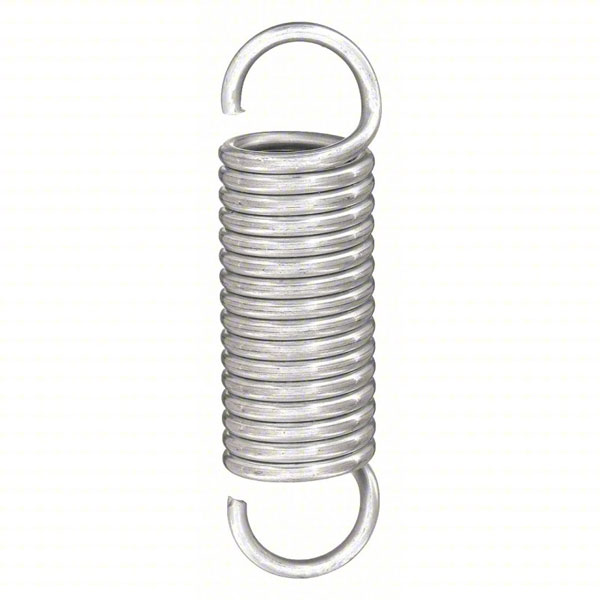
Extension springs, also known as tension springs, are essential mechanical components that store energy when stretched or extended. They work by resisting axial forces and returning to their original length when the load is removed.
Design Considerations:
When designing or selecting extension springs, consider the following factors:
Spring Shape and End Type:
- The most common shape is cylindrical with hooks on both ends.
- Other shapes include swivel hooks and straight cut drawbars.
- Remember that stress is highest at the ends of hooked springs, where they are first bent to form the hooks.
Number of Coils:
- The number of coils affects the spring’s behaviour.
- Adding springs in series increases travel, while adding them in parallel increases force.
Preload and Allowable Stress:
- Preload ensures the spring operates within its intended range.
- Avoid loading past the yield strength to maintain spring behaviour and longevity.
Spring Index:
- The ratio of mean diameter to wire diameter.
- Influences spring performance and stress distribution.
Applications Across Industries:
Extension springs find use in various applications:
- Automotive: Hood latches, trunk lids, and seat mechanisms.
- Industrial Machinery: Conveyor systems, garage doors, and agricultural equipment.
- Consumer Goods: Trampolines, garage door openers, and toys.
Calculating Spring Parameters:
- Spring Rate (Constant): Calculated based on mean diameter, wire diameter, and modulus.
- Body-Wire Stress: Consider applied load, number of coils, and spring geometry.
Safety and Failure Considerations:
- Extension springs fail differently from compression springs.
- When an extension spring fails, components can separate, potentially causing accidents.
- Always operate extension springs within their intended range to ensure safety.
Wireforms:
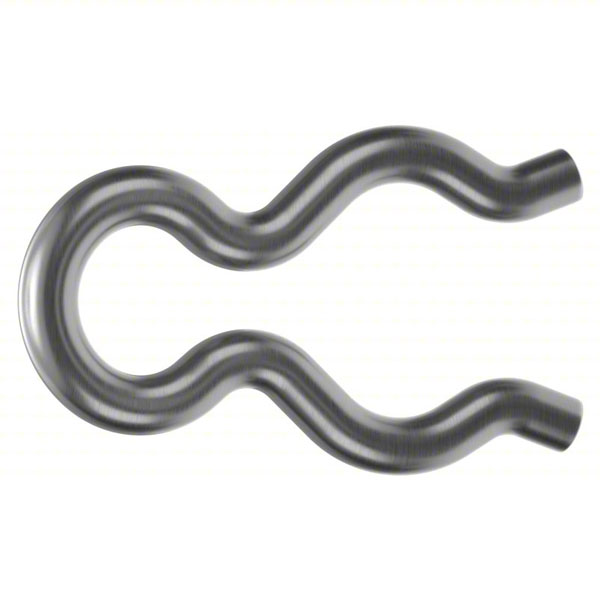
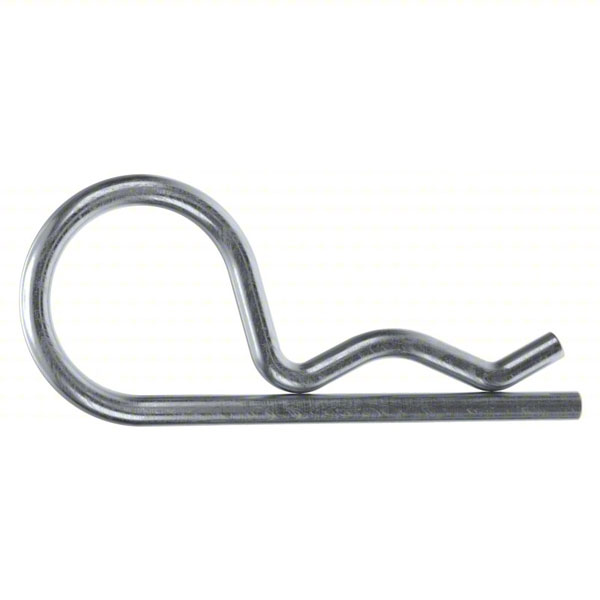
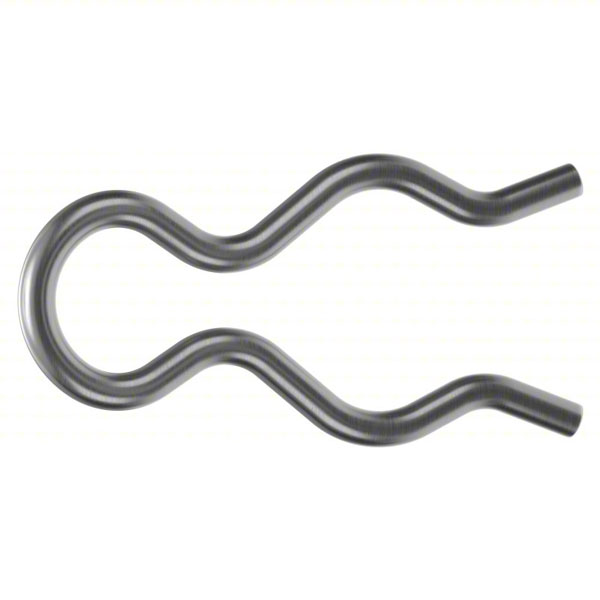
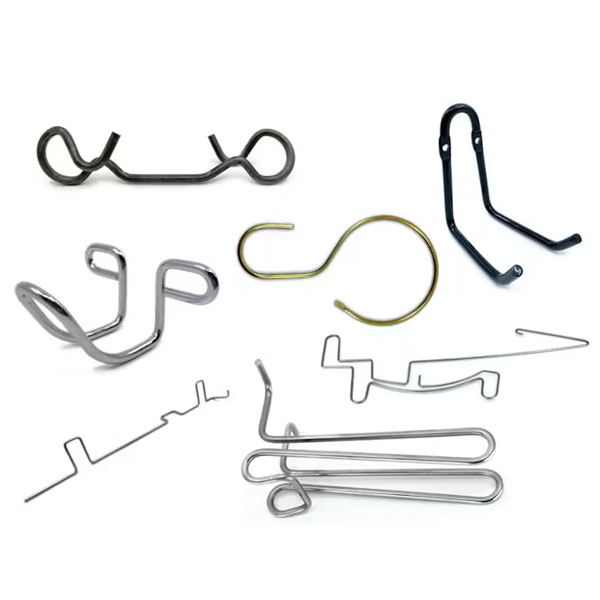
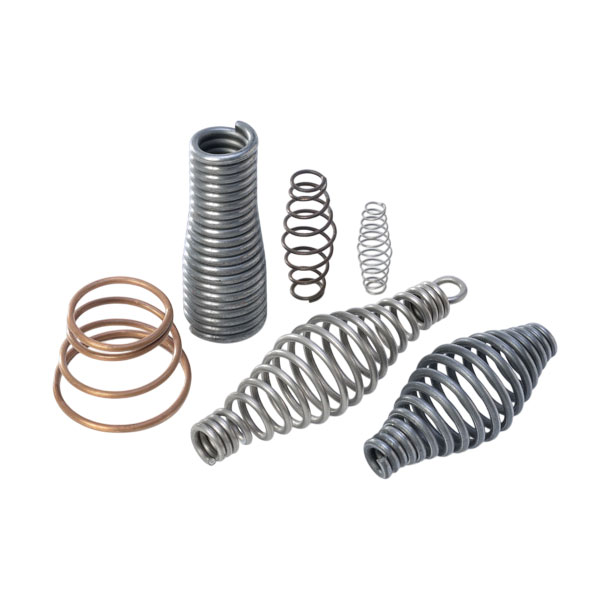
Wireforms are intricate and versatile shapes crafted from metallic wire. While springs constitute a type of wireform, it’s crucial to recognize that not all wireforms are springs. They differ in form, function, and may vastly vary in application.
Wireforms Beyond Springs
- Wireforms encompass a broader category:
- Retainers: Wireforms often serve as clips, pins, or retainers.
- Simple Beams: Some wireforms act as simple beams, offering return force when bent or twisted.
Manufacturing Process
- Winding: Metal wire is wound around a coil, imbuing it with mechanical strength.
- Heat Treatment: This step ensures the required performance, durability, and stress relief for the final application.
Applications
- Wireforms silently contribute to various industries:
- Automotive: Hood latches, seat mechanisms.
- Aerospace: Precision components.
- Electronics: Connectors, switches.
- Consumer Goods: Trampolines, toys.
- Industrial Machinery: Conveyor systems, stackable chair backs.
Wireforms are the unsung heroes small yet essential components that guarantee smooth operations in our daily lives and industrial processes. At Accurate springs, we specialize in designing reliable and customized wireforms.
Conical Springs:
What Are Conical Springs?
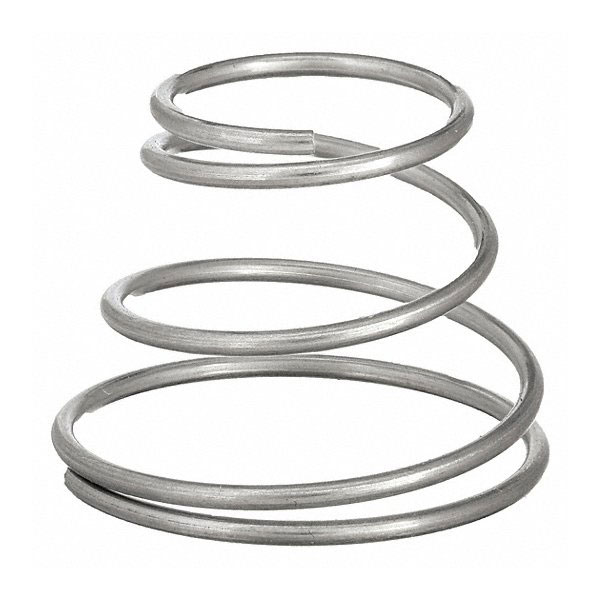
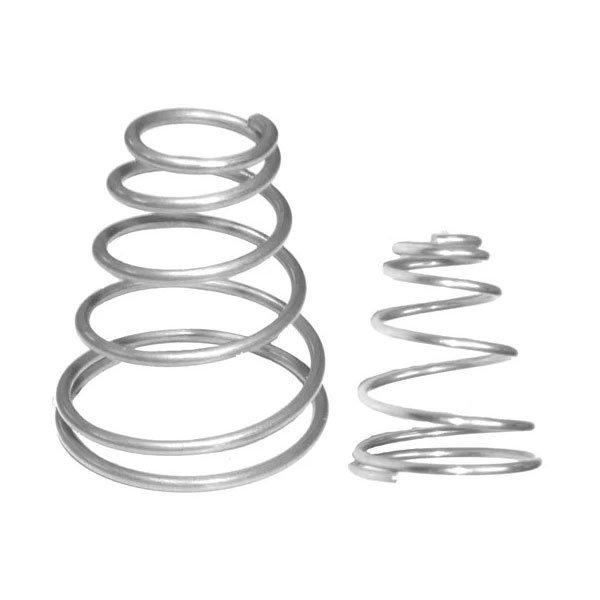
Conical springs, also known as cone springs or tapered springs, are a type of compression spring shaped like a cone. Unlike regular coil springs, conical springs have the following distinctive features:
- Tapered Design: The spring’s diameter increases gradually from one end to the other, resulting in a cone shape.
- Increased Stability: Conical springs offer enhanced stability compared to standard coil springs.
- Reduced Solid Height: These springs have a much smaller solid height, making them ideal for space-constrained applications.
Design and Geometry
- Tapered Coil Shape: The varying coil diameters create the conical form.
- Non-Constant Spring Rate: Due to the changing coil diameters, conical springs exhibit a non-linear spring rate during compression.
- Buckling Resistance: The geometry of conical springs makes them more resistant to buckling than regular coil springs of the same height.
Applications Across Industries
- Conical springs find use in a wide range of products and industries:
- Automotive: Hood latches, seat mechanisms.
- Aerospace: Precision components.
- Electronics: Connectors, switches.
- Consumer Goods: Trampolines, toys.
- Industrial Machinery: Conveyor systems, stackable chair backs.
Design and Geometry
- Tapered Coil Shape: The varying coil diameters create the conical form.
- Non-Constant Spring Rate: Due to the changing coil diameters, conical springs exhibit a non-linear spring rate during compression.
- Buckling Resistance: The geometry of conical springs makes them more resistant to buckling than regular coil springs of the same height.
Applications Across Industries
- Conical springs find use in a wide range of products and industries:
- Automotive: Hood latches, seat mechanisms.
- Aerospace: Precision components.
- Electronics: Connectors, switches.
- Consumer Goods: Trampolines, toys.
- Industrial Machinery: Conveyor systems, stackable chair backs.
Advantages of Conical Springs
- Stability: The unique shape provides increased stability.
- Reduced Solid Height: Ideal for applications with limited space.
- Minimal Vibrations: Conical springs dampen vibrations effectively.
At Accurate springs we specialize in designing reliable and customized conical springs. Explore our range and discover the perfect solution for your unique needs.
Retaining Rings:
What Are Retaining Rings?
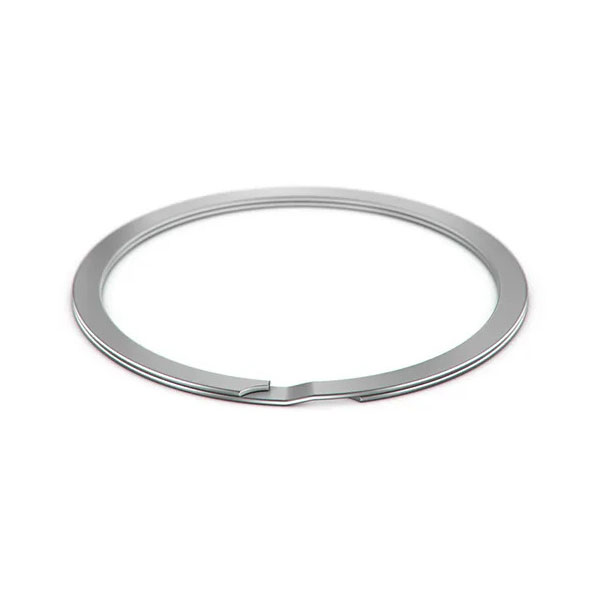
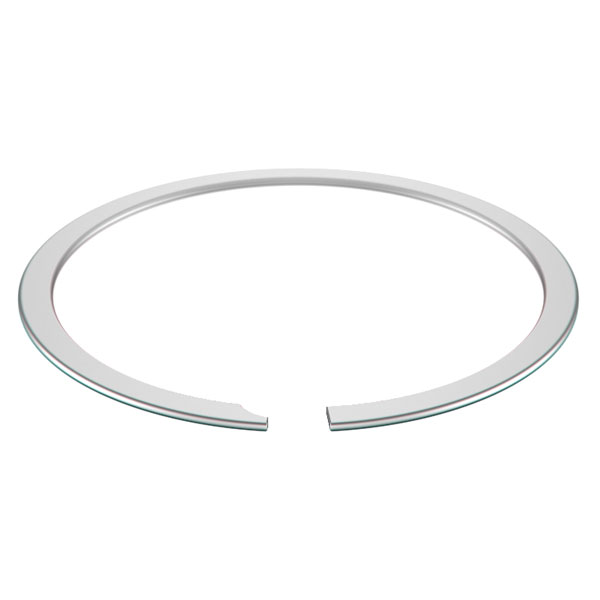
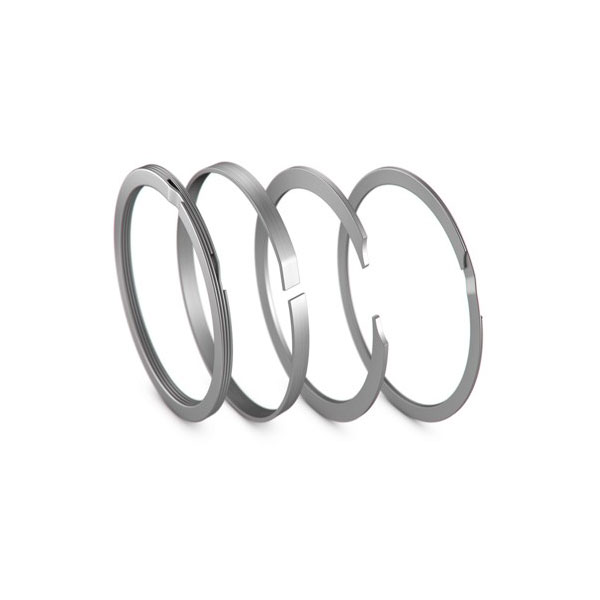
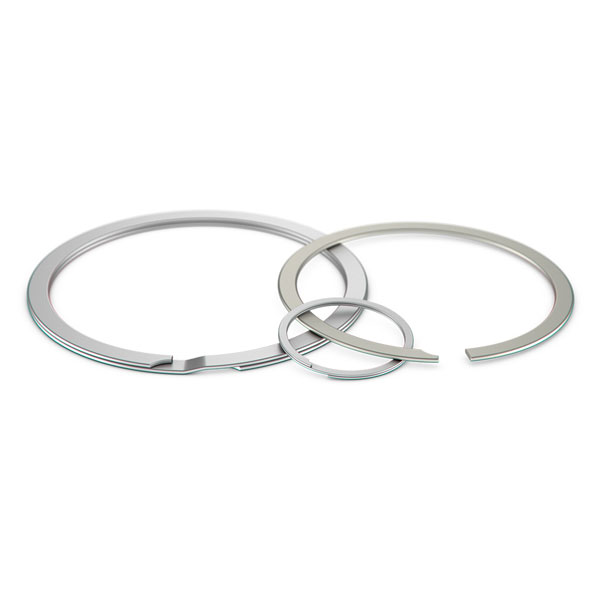
Retaining rings, also known as snap rings, are versatile components used to create an internal or external shoulder for retaining parts within housings or on shafts. These rings simplify manufacturing, reduce complexity, and provide an easy-to-install alternative to machined shoulders.
Types of Retaining Rings
- 1. Internal Retaining Rings:
- Fit into a housing or bore.
- Secure components within a housing.
- Commonly used in assemblies where parts need to be retained internally.
- 2. Internal Retaining Rings:
- Fit into a housing or bore.
- Secure components within a housing.
- Commonly used in assemblies where parts need to be retained internally.
Common Types of Retaining Rings
- 1. Single-Turn Retaining Rings:
- Circular flat-wire rings with less than one revolution.
- Designed for light-duty and low-clearance applications.
- 2. Multiple-Turn Retaining Rings:
- Have more than one turn.
- Provide increased load capacity compared to single-turn rings.
- 3. Constant Section Rings:
- Uniform cross-section throughout the circumference.
- Ideal for applications with varying loads.
- 4. Wave Rings:
- Wave-shaped design for flexibility and load distribution.
- Suitable for dynamic applications.
Retaining ring ensures secure and reliable assembly. At Accurate Springs, we specialize in designing customized retaining rings to meet your unique requirements.
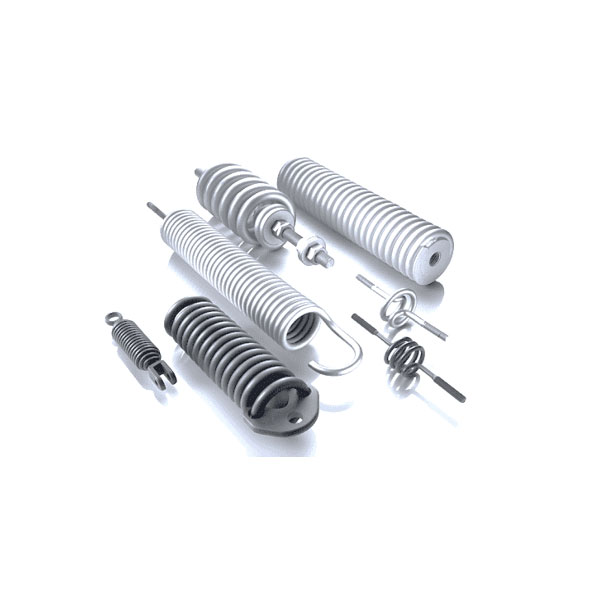
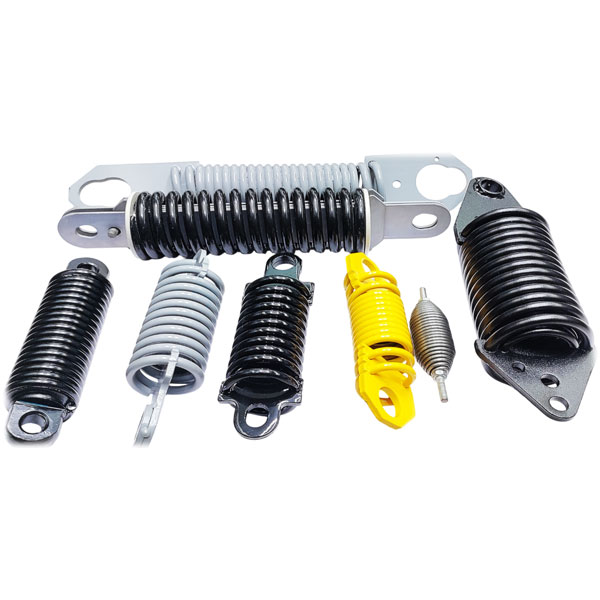
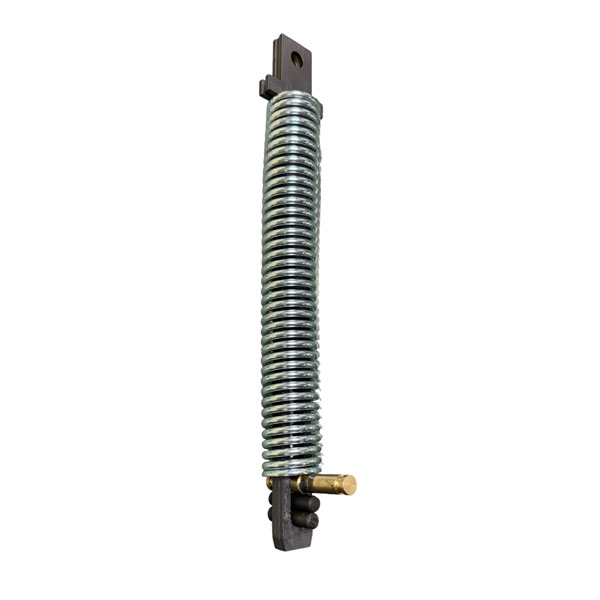
Spring Assemblies in Electrical Breakers:
What Are Spring Assemblies?
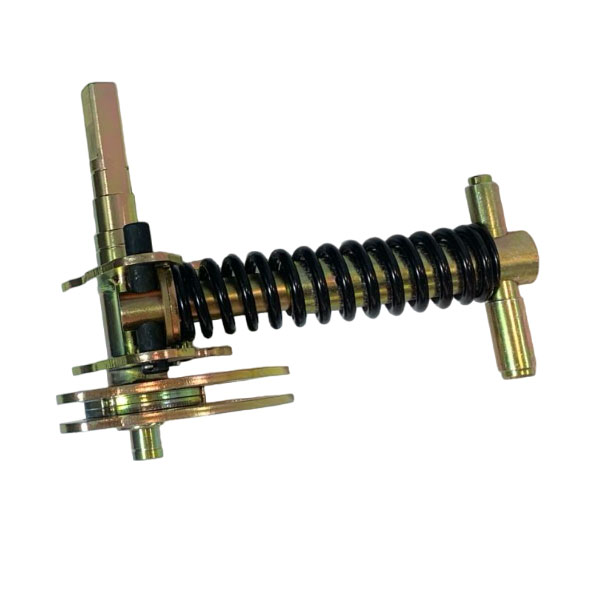
In the context of electrical breakers, spring assemblies play a critical role in ensuring reliable operation. These assemblies utilize the energy stored in springs to perform essential functions within circuit breakers.
Types of Spring Assemblies in Electrical Breakers
- 1. Closing Spring Assemblies:
- Purpose: Closing springs provide the force needed to close the circuit breaker contacts.
- Operation: When the breaker needs to close (e.g., after a trip), the energy stored in the closing spring is released, driving the contacts together.
- Critical Component: Properly functioning closing springs are essential for reliable breaker operation during switching events.
- 2. Tripping Spring Assemblies:
- Purpose: Tripping springs are responsible for opening the circuit breaker contacts during fault conditions or manual trips.
- Operation: When a fault occurs or an operator initiates a trip, the energy stored in the tripping spring is released, rapidly separating the contacts.
- Safety Feature: Tripping springs ensure quick disconnection to protect the electrical system.
Applications Across Electrical Systems
Spring assemblies are integral to various types of electrical breakers:
- Air Circuit Breakers (ACBs): ACBs use spring assemblies for both closing and tripping operations.
- Vacuum Circuit Breakers (VCBs): CBs rely on spring assemblies to ensure rapid contact separation in a vacuum environment.
- High-Voltage Circuit Breakers: Even in high-voltage applications, spring assemblies play a crucial role in maintaining reliable switching.
Advantages of Well-Designed Spring Assemblies
- Predictable Performance: Properly calibrated springs ensure consistent breaker operation.
- Fast Response: Spring energy allows for rapid contact movement during fault conditions.
- Maintenance Ease: Regular inspection and maintenance of spring assemblies ensure continued reliability.
Spring assemblies are the hidden force behind the seamless operation of electrical breakers. At Accurate Springs, we specialize in designing and manufacturing reliable spring assemblies tailored to breaker specifications.
Micro Springs:
What Are Micro Springs?
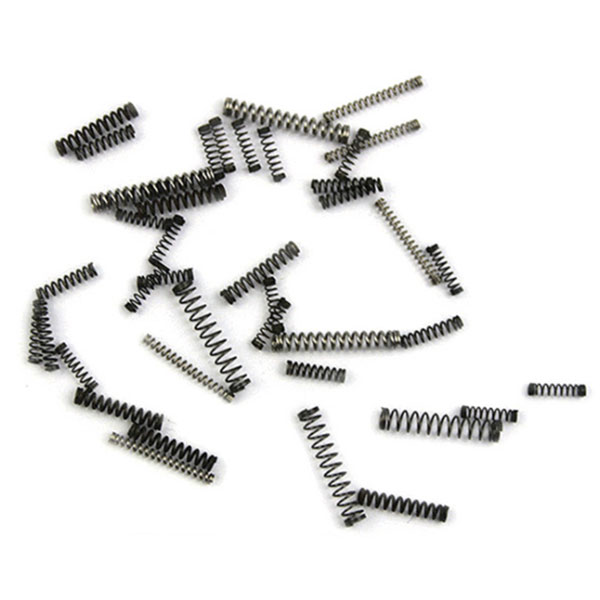
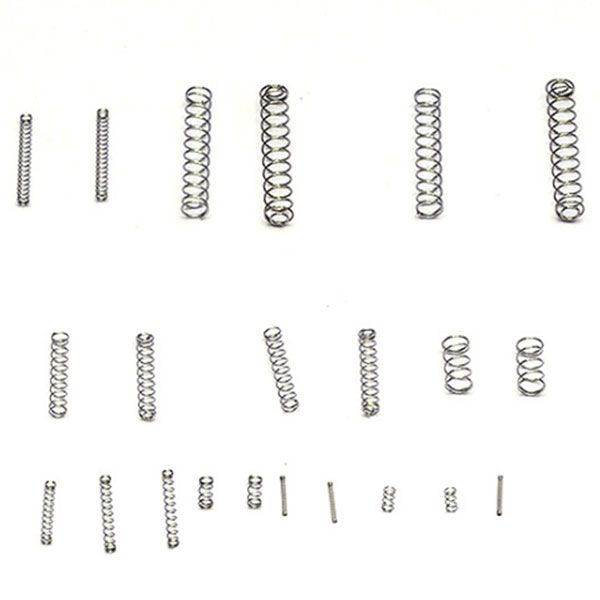
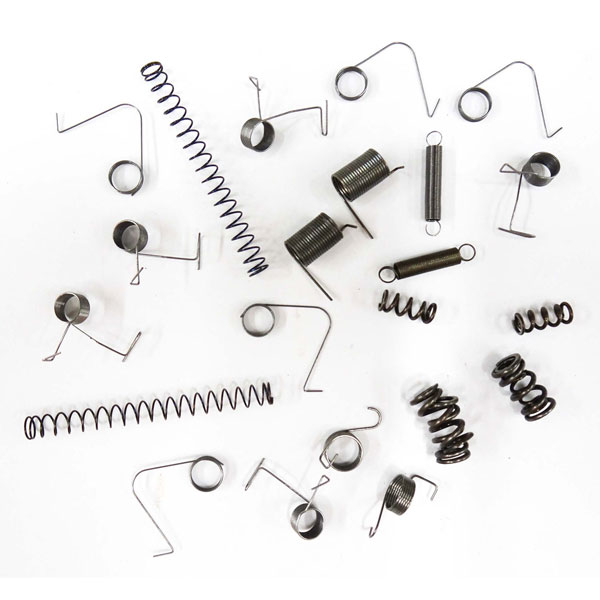
Micro springs are miniature springs designed for applications where space constraints, precision, and reliability are critical. These tiny springs play a crucial role in various industries, from medical devices to consumer electronics.
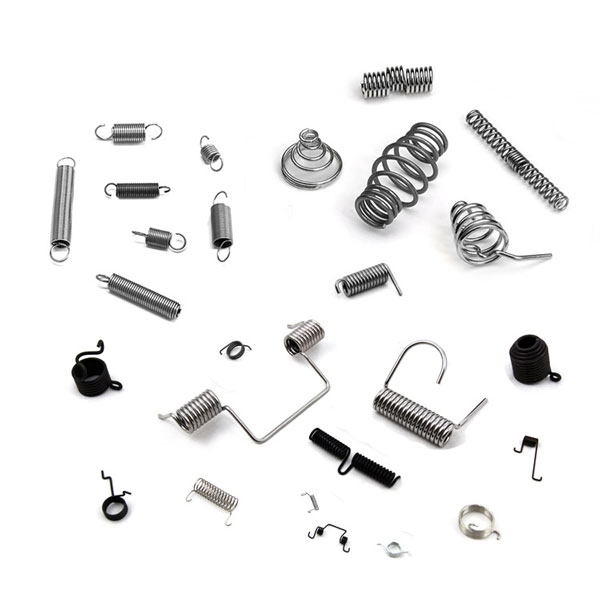
Types of Micro Springs
- 1. Micro Compression Springs:
- Purpose: These tiny coil springs store energy when compressed.
- Applications:Used in medical implants, miniature pumps, and precision instruments.
- 2. Micro Extension Springs:
- Purpose: Micro extension springs extend under tension.
- Applications: Found in small switches, connectors, and delicate mechanisms.
- 3. Micro Torsion Springs:
- Purpose: These miniature springs provide rotational force.
- Applications: Used in locks, small valves, and communication devices.
Materials and Performance
- Materials: Micro springs are typically made from materials like stainless steel (e.g., 302, 304, 316), spring brass, or phosphor bronze.
- Performance: Despite their size, micro springs offer reliable performance, corrosion resistance, and precise load characteristics.
Custom Micro Springs
- Accurate engineers can create custom-designed micro springs to your specifications.
- Whether it’s a unique shape, specific material, or tight tolerances.
Micro springs are the unsung heroes behind the functionality of small devices and gadgets. At Accurate, we specialize in designing reliable and customized micro springs.
Garter Springs:
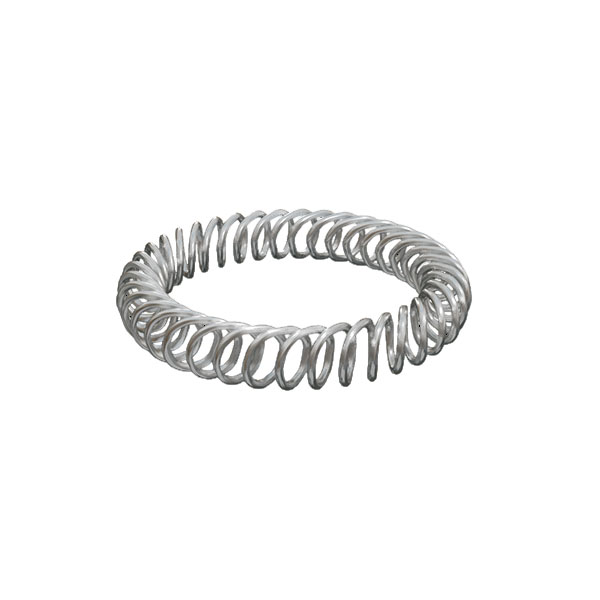
What Are Garter Springs?
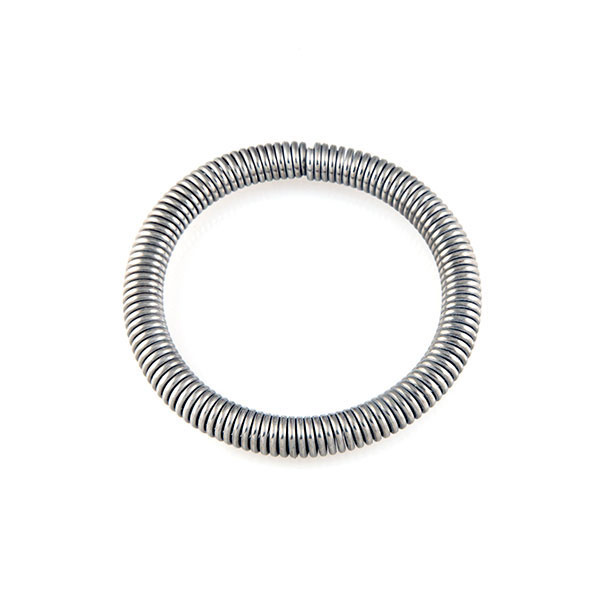
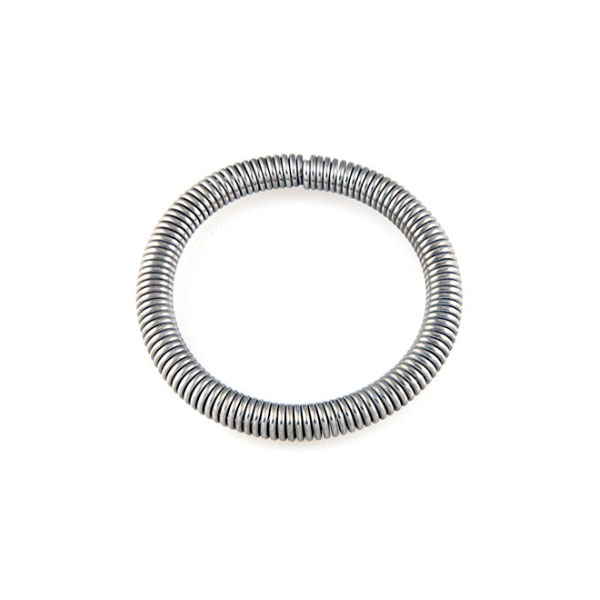
Garter springs, also known as snap rings, are versatile components used to create an internal or external shoulder for retaining parts within housings or on shafts.
Garter Springs in Electrical Tulip Contacts
- 1. Purpose:
- In electrical tulip contacts, garter springs serve critical functions.
- They ensure proper electrical connection and retention within the contact assembly.
- 2. Internal Garter Springs:
- Application: Fit into the tulip contact housing.
- Function: Secure the contact components in place.
- Importance: Reliable electrical performance depends on well-designed garter springs.
- 3.External Garter Springs:
- Application: Fit over the contact shaft or pin.
- Function: Prevent components from sliding off the shaft during assembly and operation.
Advantages of Well-Designed Garter Springs
- Reliable Electrical Connection: Properly calibrated garter springs ensure consistent electrical performance.
- Space Efficiency: Garter springs retain components without compromising space constraints.
- Ease of Assembly: Pre-assembled garter springs simplify installation in tulip contacts.
Garter springs are the unsung heroes behind the seamless operation of electrical tulip contacts. At Accurate, we specialize in designing reliable and customized garter springs for various applications.
Wave Springs:
What Are Wave Springs?
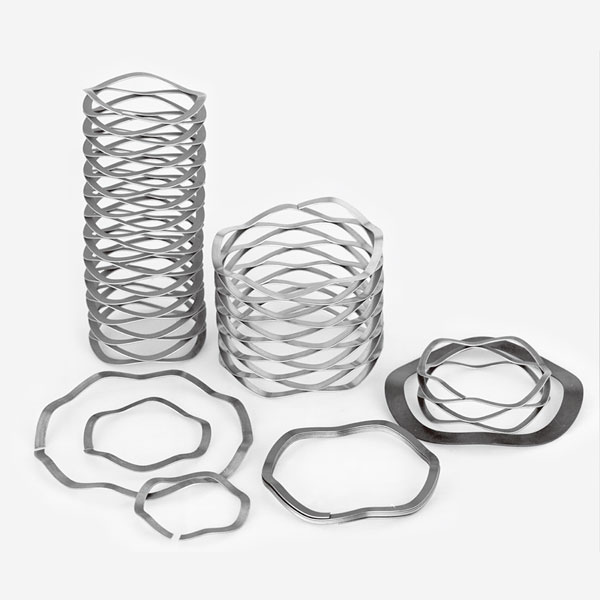
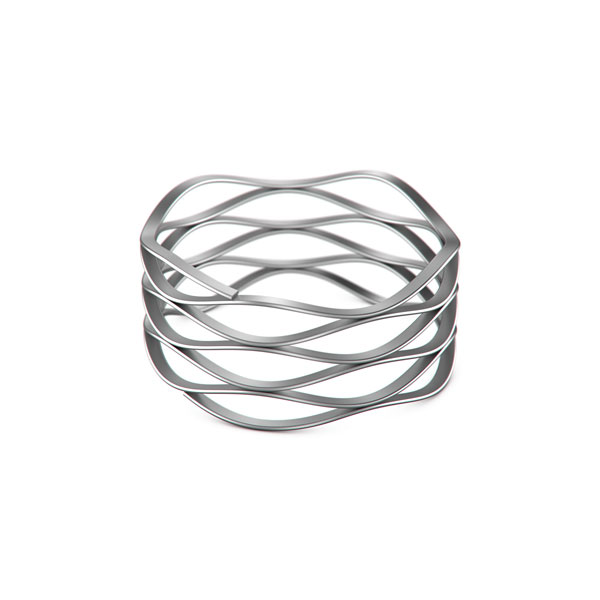
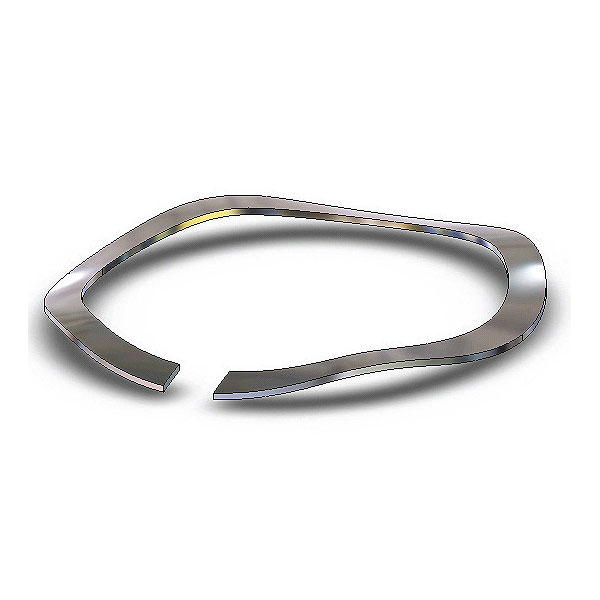
Wave springs, also known as wave washers or flat wire compression springs, are innovative mechanical components designed to provide spring force while minimizing space requirements. These versatile springs offer unique advantages in various industries.
How Do Wave Springs Work?
- Design: Wave springs are made from flat wire wound in a circular shape with multiple waves per turn.
- Function: When compressed, wave springs exert a force similar to traditional coil springs but at a reduced operating height.
- Benefits: Wave springs allow for more compact and lightweight assemblies, saving production time and material costs.
Applications Across Industries
Wave springs find use in diverse applications:
- Aerospace: Wave springs are specified by engineers for precision components in aircraft systems.
- Automotive: They play a crucial role in shock absorbers, clutches, and valve grabs.
- Medical Devices: Wave springs are used in implantable devices, surgical instruments, and medical pumps.
- Consumer Electronics: From smartwatches to kitchen appliances, wave springs optimize space and performance.
Wave springs are the unsung heroes behind compact and efficient designs. At Accurate we specialize in designing reliable and customized wave springs.
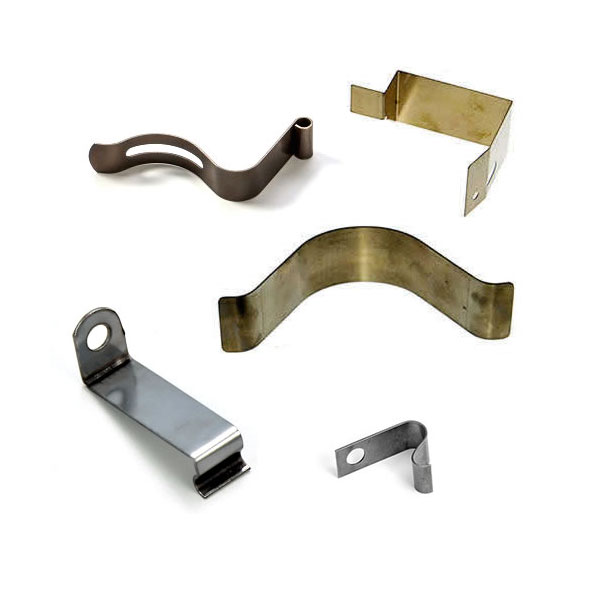
Strip Sheet Metal Parts:
What Are Strip Sheet Metal Parts?
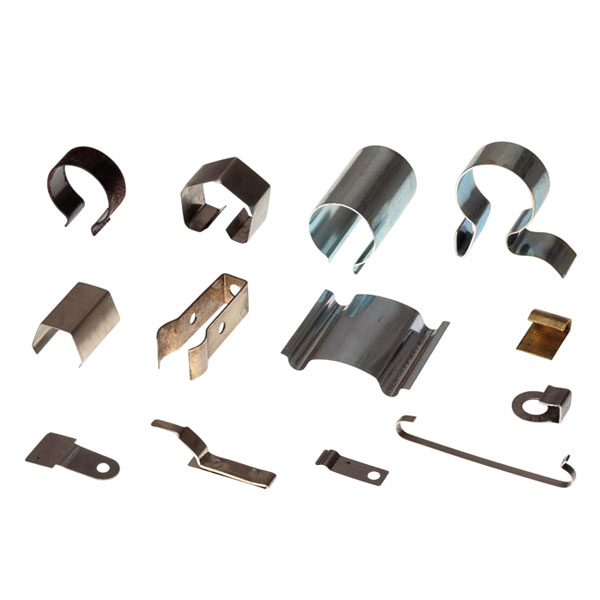
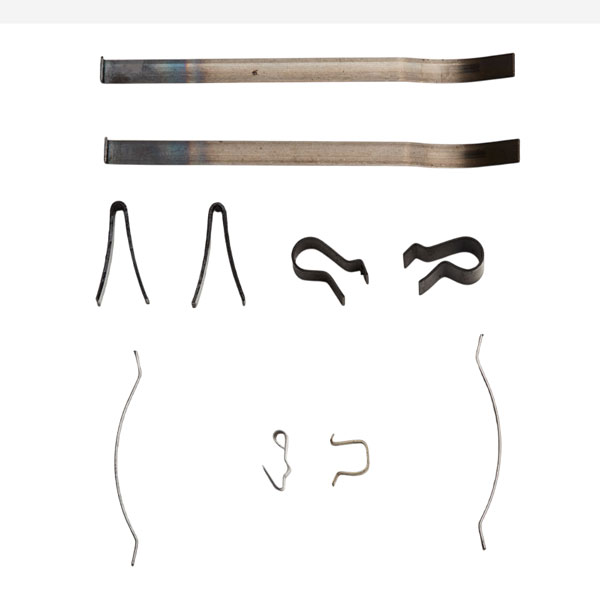
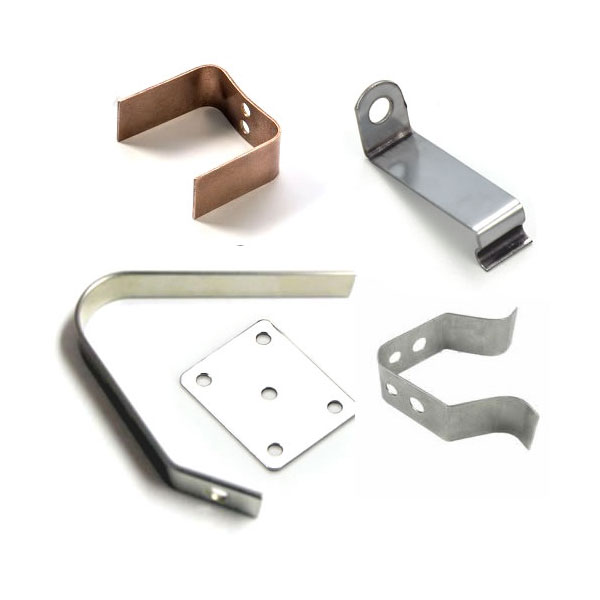
Strip sheet metal parts refer to components fabricated from thin metal strips or sheets. These parts are commonly used in various industries due to their versatility, precision, and cost-effectiveness.
Types of Strip Sheet Metal Parts
- 1. Clips and Retainers:
- Purpose: Clips and retainers hold components together or secure them within housings.
- Applications: Automotive, electronics, and consumer goods.
- 2. Contacts and Connectors:
- Purpose: These parts facilitate electrical connections.
- Applications: Connectors for PCBs, switches, and sockets.
- 3. Shims and Spacers:
- Purpose: Shims adjust gaps, align components, and provide precise spacing.
- Applications: Aerospace, machinery, and construction.
Advantages of Strip Sheet Metal Parts
- Precision: Strip parts can be manufactured with tight tolerances.
- Cost-Effective: Efficient material utilization reduces costs.
- Space Optimization: Thin profiles save space in assemblies.
- Customization: Easily tailored to specific requirements.
Custom Solutions and Standard Offerings
- Custom Fabrication: We specialize in designing and manufacturing customized strip sheet metal parts.
- Standard Components: Explore our range of standard clips, connectors, shims, and springs.
Strip sheet metal parts are the backbone of countless devices and systems. At Accurate we provide reliable and innovative solutions for your unique needs.
Dowel Pins:
What Are Dowel Pins?
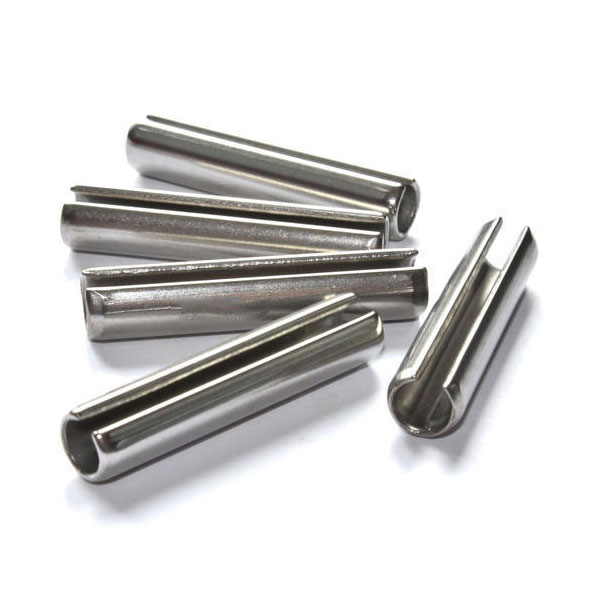
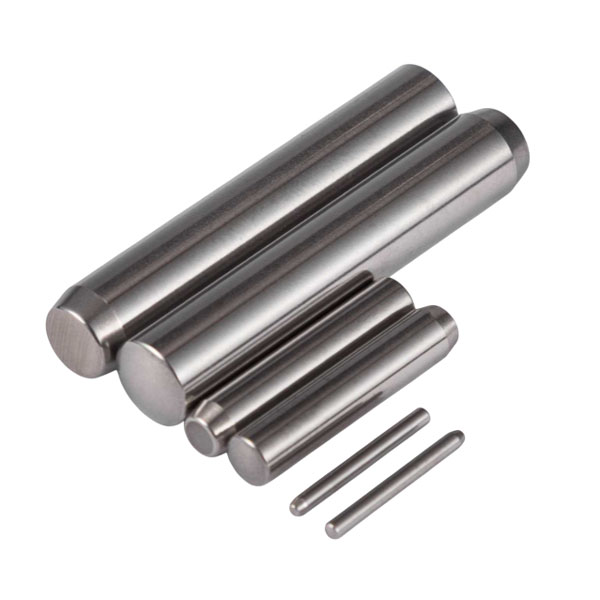
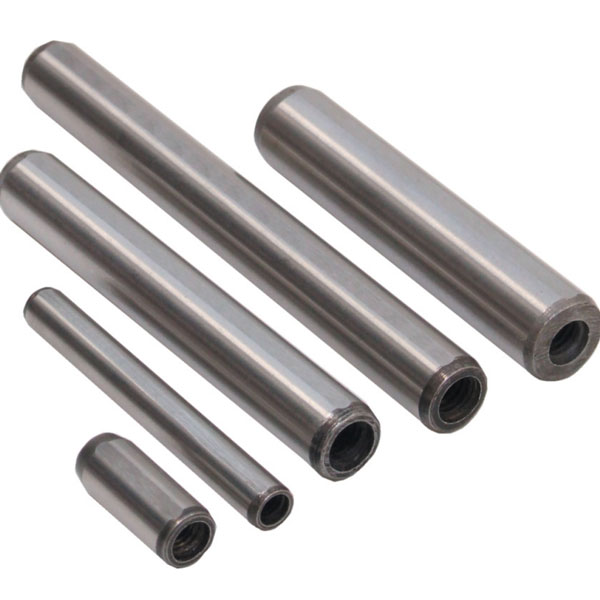
Dowel pins are industrial fasteners used to join two or more items together. They are short, cylindrical rods made of various materials. Dowel pins can be tapered, slotted, grooved, or otherwise altered to change their mechanical properties.
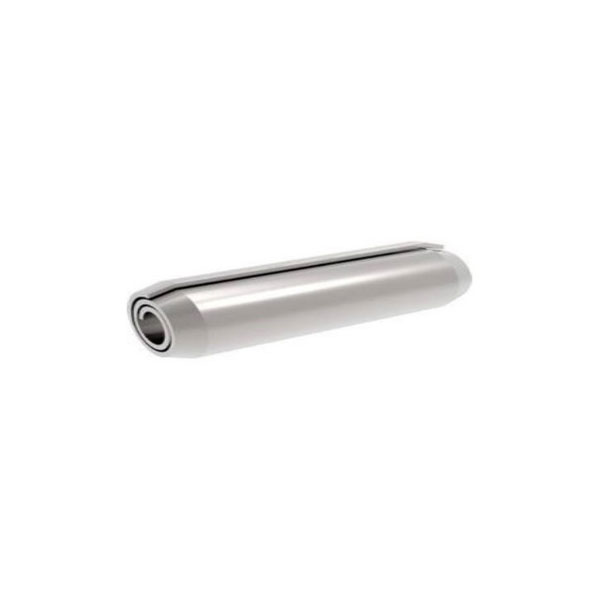
Types of Dowel Pins
- 1. Straight Dowel Pins:
- These are the most common type.
- Straight dowel pins have a uniform diameter along their entire length.
- They are used for precise alignment and support in various applications.
- 2. Tapered Dowel Pins:
- Tapered dowel pins have a gradual reduction in diameter along their length.
- They provide a tight fit and self-centering capability.
- Commonly used in woodworking and machinery assembly.
- 3. Stepped Dowel Pins:
- Stepped dowel pins have different diameters at each end.
- They allow for varying fits and alignment requirements.
Applications Across Industries
Dowel pins play a crucial role in various industries:
- Manufacturing: Aligning machine parts during assembly.
- Woodworking: Joinery, furniture construction.
- Automotive: Engine components, transmission systems.
- Aerospace: Precision assemblies, structural components.
Advantages of Dowel Pins
- Precise Alignment: Dowel pins ensure accurate positioning of parts.
- Load Distribution: They distribute forces evenly, reducing stress concentration.
- Cost-Effective: Dowel pins provide reliable performance at a low cost.
Dowel pins are the hidden connectors that keep machinery and structures together. We specialize in providing reliable and customized dowel pins.
Circlips
What Are Strip Sheet Metal Parts?
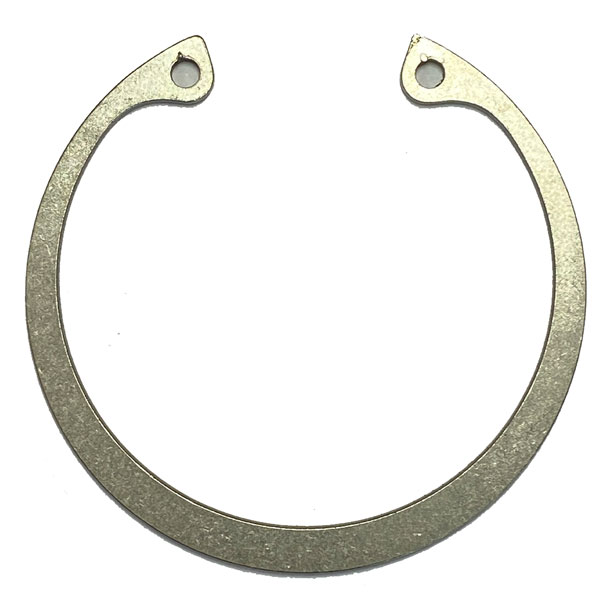
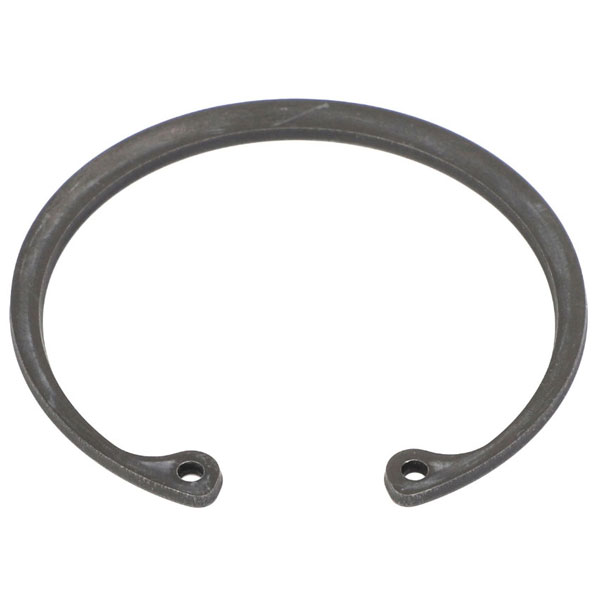
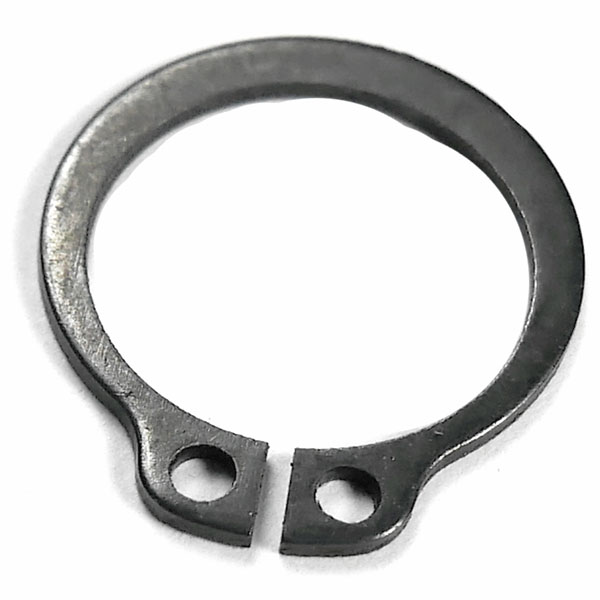
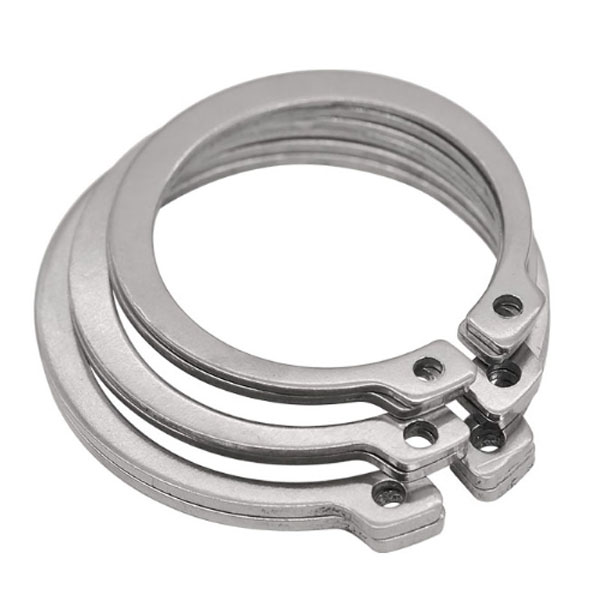
Accurate manufactures high-quality circlips that deliver secure axial retention for shafts and bores across demanding industrial applications. Designed for precision fit and durability, our circlips are available in both standard and custom configurations.
Types of Circlips We Offer
- External Circlips (DIN 471 / IS 3075): For shaft mounting
- Internal Circlips (DIN 472 / IS 3075): For housing or bore mounting
- E-Type Circlips: Easy-to-install side-mounting clips
- Custom Circlips: Tailored sizes and shapes for specialized assemblies
Applications
Used in:
- Gearboxes and transmissions
- Automotive engines and brakes
- Motors, pumps, and actuators
- Aerospace, defense, and heavy equipment
Circlips provide a cost-effective, space-saving, and reliable solution for axial load retention.
Manufacturing Highlights
- Made from spring steel, stainless steel, and other high-performance alloys
- Heat-treated for enhanced strength and fatigue resistance
- Corrosion protection: Phosphate, Black Oxide, Zinc Plating, or Passivation
- Manufactured to tight tolerances under ISO 9001:2015 standards
Accurate Circlips — Small Component, Strong Performance.
Let me know if you want to include technical drawings, a downloadable catalog, or specific material grades.